Our country pages


Europe
 Austria | Österreich
 Belgium | BelgiqueBelgium | België
 Bulgaria | България
 Croatia | Hrvatska
 Czechia | Česko
 Denmark | Danmark
 Estonia | Eesti
 Finland | Suomi
 France
 Germany | Deutschland
 Hungary | Magyarország
 Ireland | Éire
 Italy | Italia
 Latvia | Latvija
 Lithuania | Lietuva
 Netherlands | Nederland
 Norway | Norge
 Poland | Polska
 Portugal
 Romania | România
 Slovakia | Slovensko
 Slovenia | Slovenija
 Spain | España
 Sweden | Sverige
 Switzerland | SchweizSwitzerland | Suisse
 Turkey | Türkiye
 United Kingdom
Search
Order a sample
You can order up to 3 free sample tiles.
We'll aim to deliver your sample order within 5-7 working days from your order date.
Low-Pitched Roofs: Measuring and Calculating
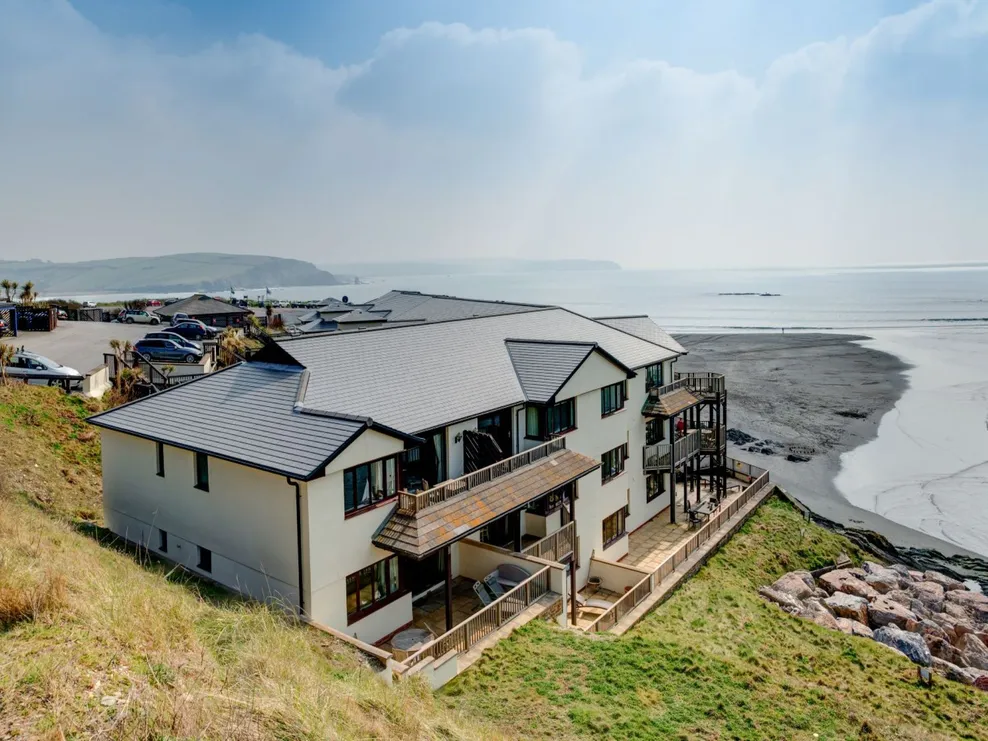
Are you planning a roofing project and wondering how to calculate and determine the right roof pitch?
Whether you’re dealing with a modern extension or a traditional pitched roof, understanding the correct measurements and calculations is crucial for success. Picking the right roofing material and being aware of the compliance requirements are essential for ensuring durability and helping facilitate efficient rainwater drainage.
In this comprehensive guide, we’ll explore basic pitch calculations and BMI’s innovative product range.
Jump to section
Low-Pitch Roofs: Definition and Considerations
Low-Pitch Roofs: Definition and Considerations
Low-pitch roofs are defined as roofs with a pitch of less than 20°. They are often used for domestic extensions and modern contemporary developments due to their unique aesthetic and anti-view-blocking properties. However, low-pitch roofs can be more susceptible to leaks and water damage due to slower rainwater runoff.
When designing a low-pitch roof, it’s essential to consider the type of roofing material used, the roof’s drainage system, and the building codes and regulations. A low-pitch roof may require additional features, such as a waterproof membranes or sub-roof weathering systems, to ensure its integrity and durability.

Understanding Roof Pitch in UK Construction
The roof pitch refers to the steepness of a roof, as measured by the rafter pitch, which is the angle in degrees that the inclined rafters create to the horizontal. Various aspects of roofing, such as appropriate material selection, adequate rainwater drainage and roof durability, link to the pitch of a roof. When determining the appropriate pitch for a roof, several critical factors must be considered.
Structural Considerations
The building’s room plans and structural design create the foundation for pitch selection. Higher-pitched roofs can provide additional structural benefits, as well as room for internal loft modifications, though modern architectural trends increasingly favour lower pitches, particularly in contemporary developments. Traditional builds often maintain steeper pitches for historical consistency.
Regulatory Framework
Local Planning Authorities maintain specific requirements regarding roof design, particularly in conservation areas or Areas of Outstanding Natural Beauty (AONBs). These requirements often dictate acceptable pitch ranges, materials, or aesthetic considerations to match other roofs in the area.
How Roof Pitch Determines Roof Tile Suitability
How Roof Pitch Determines Roof Tile Suitability
Material Compatibility:
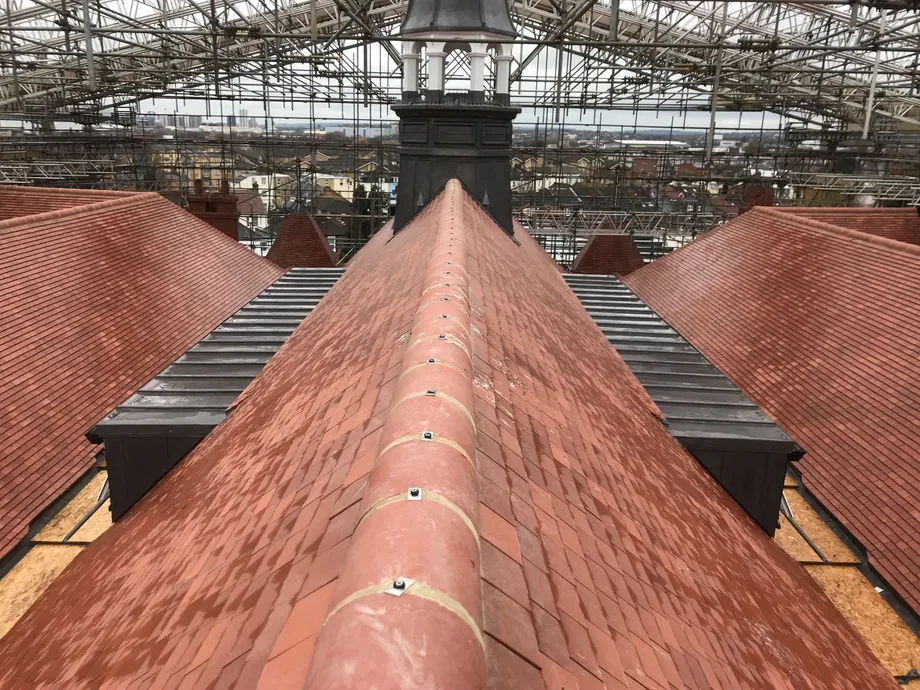
Different roofing materials have different minimum pitch requirements to ensure proper installation and rainwater resistance. Our Camrbian Tile is suitable for pitches as low as 15° at a 75mm headlap and 10m max rafter length. This tile can be beneficial for low-pitch roofing projects where double-lapped natural slate cannot normally be used.
Weather Resistance:
- Low-pitch roofs are more likely to experience slower rainwater runoff and wind-driven rain penetration, making the material choice, tile type and correct headlap installation critical for durability and leak prevention
- Steeper pitches facilitate faster rainwater runoff, reducing the risk of water ingress.
- Granular or rougher surface finishes slow the rate of rainwater runoff, also increasing the risk of water ingress
Building Design Constraints:
- Structures with height restrictions often require low-pitch roofs
- Aesthetic preferences or architectural styles may also dictate roof pitch selection
Legislative Framework & Requirements:
The successful implementation of low-pitch roofing systems demands meticulous attention to detail during installation. Considerations include the suitability of roofing materials, the importance of headlaps and sidelaps, and rainwater runoff efficiency.
British Standard recommends specific roofing underlay requirements for pitched roofs where roof tiles are being used:
- All penetrations to the underlay should be adequately sealed to prevent water ingress.
- Minimum unsealed horizontal underlay laps can vary between 100 mm and 225 mm, depending on whether the underlay is fully supported or unsupported and whether the rafter pitch is below 15 degrees or not. BS 5534 sets out the detailed requirements.
- Where underlay laps are sealed using proprietary adhesives and tapes, they should be installed in accordance with the manufacturer’s recommendation, but usually would not be less than 100 mm.
- The underlay should be installed to ensure adequate drainage between the underlay and tiling battens to the eaves gutter. When unsupported, this means the underlay should be laid with sufficient drape (not exceeding 15 mm) between the rafters or supports to ensure any water on the underlay discharges away from batten nail penetrations and down to the eaves gutter; when fully supported on insulation or timber sarking boards, counter battens should be installed to create a drainage gap between the underlay and tiling battens
- The underlay should possess sufficient durability, weather tightness and tensile strength to resist the design wind uplift loads they may be subject to.
Proper batten selection and installation are crucial:
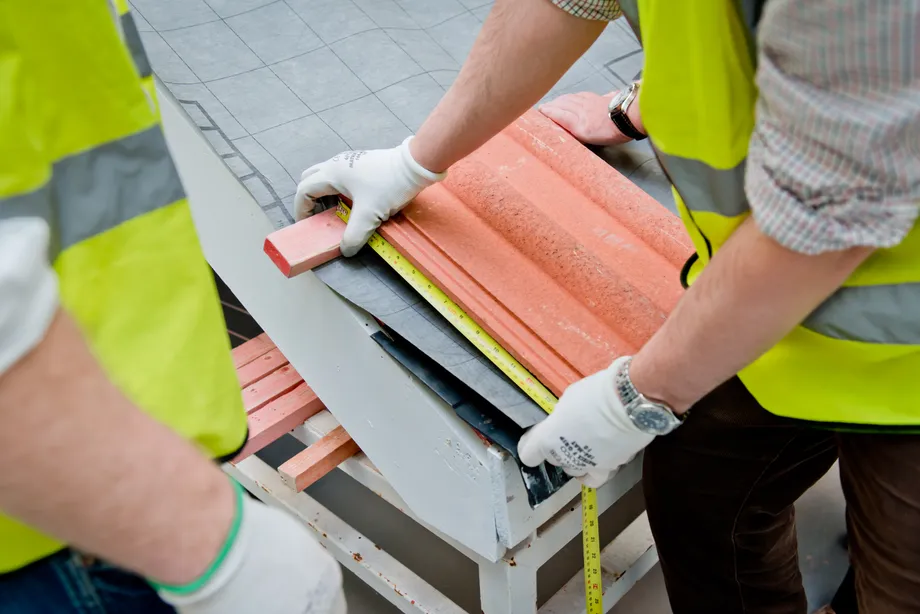
- Minimum size: Double lap clay and concrete tiles - 38mm x 25mm for rafters up to 600mm centres; Single lap clay and concrete tiles - 38 mm x 25 mm for rafters up to 450 mm centres and 50 mm x 25 mm for rafters between 451 mm to 600 mm centres.
- Preservative treatment to either BS 8417 or BS EN 599-1, appropriate for wood in use Class 2.
- Fixed using appropriate batten nails in accordance with BS 5534.
- The maximum moisture content 22% at the time of fixing.
- Structural grading and marking to BS 5534.
Adequate ventilation is critical for long-term performance for any pitched roof:
- The ventilation requirements depend on many variables, including rafter pitch, type of roof construction (e.g. cold roof, warm roof or hybrid roof), underlay type (whether water vapour permeable or not), air permeability of roof covering, etc. The correct recommendations are set out in BS 5250, code of practice for the Management of Moisture in Buildings.
- Ventilation paths must remain clear of insulation and other obstructions that restrict air flow.
- The use of systems is recommended for roof space ventilation, and where these are not practical, the installation of at the appropriate calculated intervals instead.
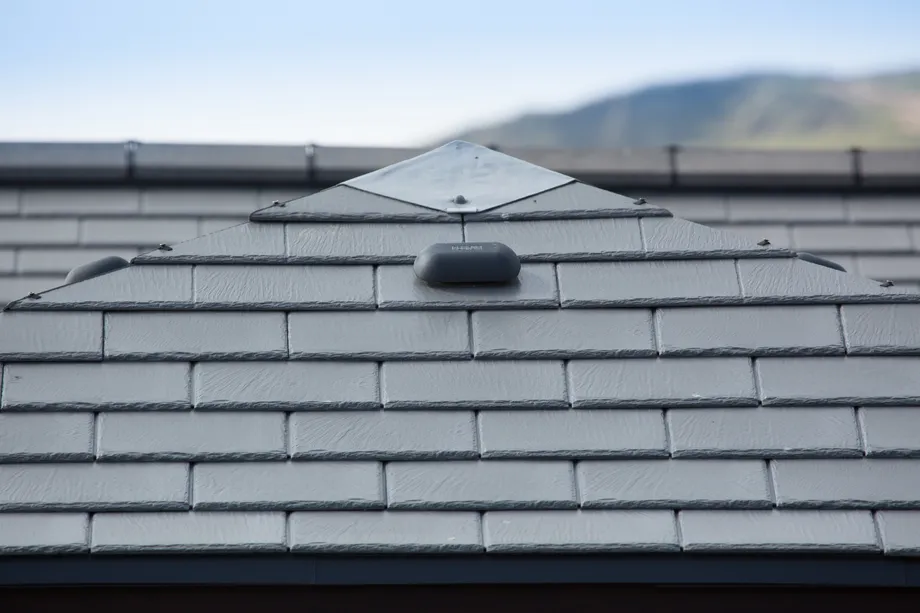
BMI Product Solutions for Low-Pitch Roofs
Modern roofing technology has evolved significantly, enabling the use of traditional materials in previously challenging low-pitch scenarios. BMI Redland’s product range specifically addresses these requirements, and the following tiles, alongside a full Redland system, come with the SpecMaster 15-year system guarantee:
Cambrian Slate
Made with recycled Welsh Slate, Cambrian delivers great performance while maintaining aesthetics. BBA-certified, lightweight and interlocking, this single lap tile allows for easy installation. Suitable at pitches as low as 15° at a 75mm headlap and 10m max rafter length, this tile can be beneficial for low-pitch roofing projects where double-lapped natural slate cannot normally be used.
Mini Stonewold
Flat, single-lapped interlocking tiles with a minimum pitch of 17.5° at 100mm headlap and with a maximum rafter length of 10m. This tile is suitable for new builds, extensions and home renovations. BMI-specified roof, this tile offers peace of mind for varying locations across the UK.
Redland 49
A versatile concrete tile suitable for both new-build and refurbishment, this iconic tile remains popular, especially in Greater London. Easy to install, available in a variety of colours. and with a minimum pitch of 17.5° at 100mm headlap with no maximum rafter length for through-coloured smooth finish tiles, this historic tile offers speed and economy. Granular finished tiles require a slightly higher pitch of 22.5° at 100mm headlap or 30° at 75mm headlap with no maximum rafter length.
Complete low-pitching systems:
Complete low-pitching systems:
Installing a low-pitched roof demands careful attention to detail, along with regular inspections and maintenance to effectively prevent water ingress. Redland tiles help simplify the installation process while ensuring long-lasting performance. With the SpecMaster Guarantee, BMI can select and specify the most appropriate Redland tiles, fittings and components for your roof, giving you full confidence, knowing that the BMI Redland Technical Team is available to support you throughout your entire project journey.
To learn more about our offerings, please visit our Redland page. If you have any questions, don’t hesitate to reach out to the BMI Redland Technical Specifications Team.
Related Articles
Frequently Asked Questions
What is the absolute minimum pitch possible with BMI tile products?
The minimum pitch varies by product. The Mini Stonewold tile can be installed at a 17.5° rafter pitch with a 100mm headlap at a 10m maximum rafter length, whereas the DuoPlain requires a minimum pitch of 25°. Each product has been extensively tested at these pitches in a wind tunnel simulating driving rain conditions to ensure weather resistance and long-term performance.
How do British Standards affect low-pitch installations?
BS 5534:2014 + A2: 2018 and BS 5250 provide comprehensive requirements for pitched roof installations. Key considerations include:
- Minimum pitch and headlap specifications
- Maximum rafter length, especially for flat tiles and slates
- Wind load calculations and tile fixing requirements
- Wind load calculations and underlay selection
- Roof ventilation provisions
What guarantees are available with BMI systems?
BMI offers comprehensive guarantees:
- 15-year design liability and weather-tightness roof system guarantee (through our SpecMaster service)
Where can I get more information?
Sources and References:
- Building Regulations 2010 (as amended)
- BS 5534:2014 + A2: 2018
- BS 8000-6: 2023 in conjunction with BS 8000-0
- BS 5250: 2021
-
- BMI Technical Documentation
-
For detailed technical support and specification advice, contact BMI Technical Services or visit