Our country pages


Europe
 Austria | Österreich
 Belgium | BelgiqueBelgium | België
 Bulgaria | България
 Croatia | Hrvatska
 Czechia | Česko
 Denmark | Danmark
 Estonia | Eesti
 Finland | Suomi
 France
 Germany | Deutschland
 Hungary | Magyarország
 Ireland | Éire
 Italy | Italia
 Latvia | Latvija
 Lithuania | Lietuva
 Netherlands | Nederland
 Norway | Norge
 Poland | Polska
 Portugal
 Romania | România
 Slovakia | Slovensko
 Slovenia | Slovenija
 Spain | España
 Sweden | Sverige
 Switzerland | SchweizSwitzerland | Suisse
 Turkey | Türkiye
 United Kingdom
Search
Order a sample
You can order up to 3 free sample tiles.
We'll aim to deliver your sample order within 5-7 working days from your order date.
Building Safety Act 2022: Navigating the 2026 Building Safety Levy with SpecMaster
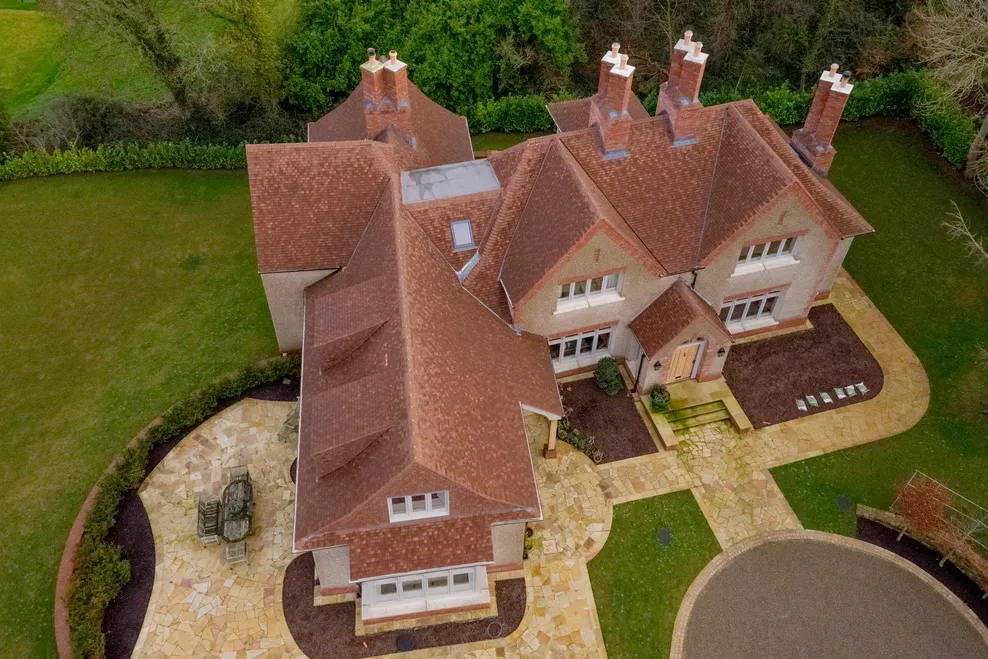
The Building Safety Levy is a direct consequence and financial extension of the Building Safety Act. Following the postponement from November 2025, the Levy comes into force on 1st October 2026. But what does this mean?
For those who work on residential projects in England, this can be seen as a blow to profit margins, with the risk of increased costs to remain compliant. For safety and accountability, this is a huge win. The building safety levy means that most residential development projects face a charge per square meter (m²) tax, and failure to comply could result in a delay to final Building Control approval.
Building control applications submitted before 1st October 2026 will not be subject to the Building Safety Levy.
For specifiers, developers, and housebuilders, compliance now extends beyond product installation. For higher-risk buildings in the UK, there is a legal requirement to provide a verified digital “Golden Thread” of information documenting the safety, compatibility, and compliance of every roofing system component.
Jump to section
Overview and Purpose of the Building Safety Act
Overview and Purpose of the Building Safety Act
The Building Safety Act, spearheaded by the Building Safety Regulator (BSR), was developed to address failures in construction quality and safety. Its primary aim is to raise safety standards across the built environment, creating a safety culture by:
- Improving safety standards, especially in higher-risk buildings
- Establish clear accountability for safety across a building’s lifecycle
- Empower residents and homeowners with greater rights and protections
- Introduce a new regulatory framework, including the Building Safety Regulator

Key provisions include:
Key provisions include:
- Defining new dutyholder roles (Accountable Person, Principal Designer, Principal Contractor, etc.) with specific legal responsibilities
- Mandating a “Golden Thread” of digital information for traceability and transparency from design to occupation for HRBs.
- Extending liability periods for claims related to building defects
- Strengthening regulatory oversight and enforcement powers

The 2026 Challenge: Risk, Liability, and the Levy
The Building Safety Levy shifts the financial burden of fixing unsafe buildings from leaseholders and taxpayers onto the developers. Risks of non-compliance include:
Gateway 2 & 3 Delays:
Projects may be delayed if documentation does not demonstrate material compatibility and compliance.
Specification Drift:
Unauthorised substitutions or deviations from specification can break the “Golden Thread” and create long-term liability.
Financial Penalties:
Non-compliance can lead to increased costs, including remedial works and potential fines.
How SpecMaster Supports CCPI-Compliant Roofing Compliance
1. The Digital 'Golden Thread'
SpecMaster is our most comprehensive technical service, delivering a full roof specification covering slates, tiles, underlay, fittings, accessories, fixings and ventilation, all provided in an NBS-based format for seamless integration into existing building specifications. This digital record ensures traceability and transparency.
2. Design Liability & the 15-Year Guarantee
The Building Safety Act requires dutyholders to demonstrate competence. SpecMaster shares the burden of design liability through our 15-year comprehensive guarantee, covering both design and weathertightness, when installed to our specifications.
3. Complete design liability
The roofing products, systems and junctions detailed in a SpecMaster specification are guaranteed to be weathertight against driving rain and extreme wind conditions.
Key Government Documents and Standards
Key Government Documents and Standards
- The Building Safety Act 2022 (Primary Legislation):
Full text of the Building Safety Act 2022 (legislation.gov.uk)
The authoritative source for all statutory requirements, roles, and obligations under the Act. - The Code for Construction Product Information (CCPI):
cpicode.org.uk
Principles for clear and accurate product information, supporting transparent specification.

FAQs: Roofing Compliance and Best Practices under the Building Safety Act
1. Why is a safety culture essential for roofing compliance?
A safety-first culture ensures that everyone involved in the project prioritises compliance and best practice, reducing risk and supporting regulatory requirements.
2. How does SpecMaster help reinforce a safety culture?
By providing manufacturer-backed specifications, digital documentation, and on-site inspections, SpecMaster provides clarity, traceability, and accountability throughout the project.
3. What is the ‘Golden Thread’ and why does it matter?
The ‘Golden Thread’ is a digital record of information storing crucial data regarding a building’s design, construction and operation throughout its lifecycle, ensuring safety and compliance.
4. What are the best practices for maintaining roofing compliance?
- Use integrated roofing systems with tested, compatible components
- Conduct regular site inspections against the approved specification
- Transfer design liability to trusted manufacturers with documented guarantees
- Train team members on documentation and compliance requirements
FAQs: Competence and Qualifications under the Building Safety Act
1. What competence requirements apply to site supervisors and principal designers?
All dutyholders must demonstrate relevant skills, knowledge, experience, and behaviours, as defined by industry frameworks and the Building Safety Act.
2. Are specific qualifications or certifications required?
Yes. Recognised qualifications and certifications are increasingly necessary, and industry bodies provide targeted programs to meet these requirements.
3. How can professionals demonstrate ongoing competence?
Through accredited training, professional memberships, and ongoing education to ensure skills and knowledge remain current.
4. What frameworks define competence for these roles?
Competence frameworks, developed by industry groups, outline the technical knowledge, safety management, and behaviours required for compliance.
5. Why is demonstrating competence so critical?
Clear evidence of competence is a legal and operational necessity under the Building Safety Act, reducing liability and supporting safety.