Our country pages
Africa
 South Africa


Europe
 Austria | Österreich
 Belgium | BelgiqueBelgium | België
 Bulgaria | България
 Croatia | Hrvatska
 Czechia | Česko
 Denmark | Danmark
 Estonia | Eesti
 Finland | Suomi
 France
 Germany | Deutschland
 Hungary | Magyarország
 Ireland | Éire
 Italy | Italia
 Latvia | Latvija
 Lithuania | Lietuva
 Netherlands | Nederland
 Norway | Norge
 Poland | Polska
 Portugal
 Romania | România
 Slovakia | Slovensko
 Slovenia | Slovenija
 Spain | España
 Sweden | Sverige
 Switzerland | SchweizSwitzerland | Suisse
 Turkey | Türkiye
 United Kingdom
Search
Order a sample
You can order up to 3 free sample tiles.
We'll aim to deliver your sample order within 5-7 working days from your order date.
How to install felt on a flat roof

Reinforced bitumen membranes, built-up felt roofing, and bituminous membranes are some of the ways roofing felt is often described. This type of roofing is often composed of multiple layers of membrane.
Roofing felt membranes are made of modified bitumen compounds with a polyester or glass fibre reinforcement. The upper and lower surfaces of the membranes vary according to the purpose and function of that particular membrane. For example, the final felt layer (often referred to as the cap sheet) will likely have a slate or mineral finish on the upper surface and a thermo-fusible film underside.
There are many variations of roofing felt, depending on the type of application and the waterproofing and roofing performance needed.
Jump to section
In general, there are four types of layers:
These products are commonly chosen together to create a more complete flat roof build-up, especially on refurbishment and new-build projects where performance, compatibility, and long-term durability matter.
This controls the transmission of vapour from beneath the roofing system.
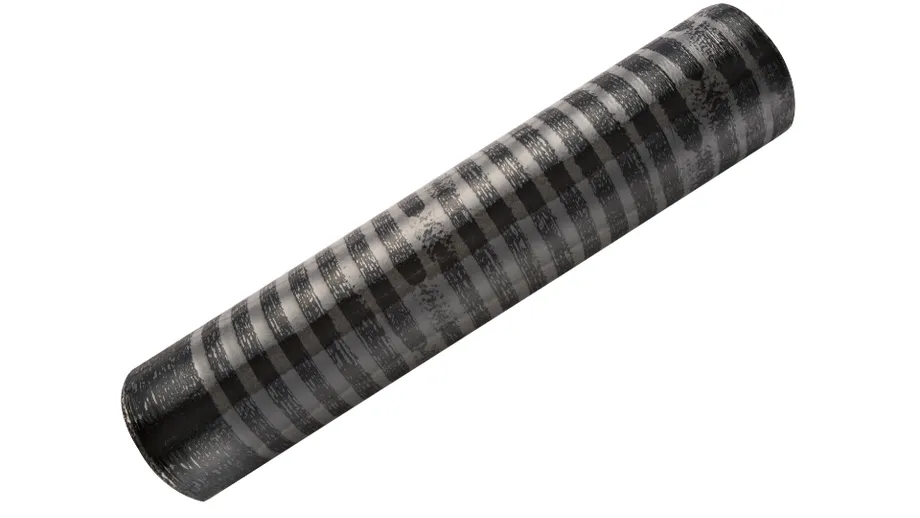
This bitumen layer disperses vapour within an insulated warm roof system and ensures air or vapour doesn’t become trapped within the system.
This layer encapsulates the insulation or substrate beneath the waterproofing, and helps by adding an additional layer of weather protection.
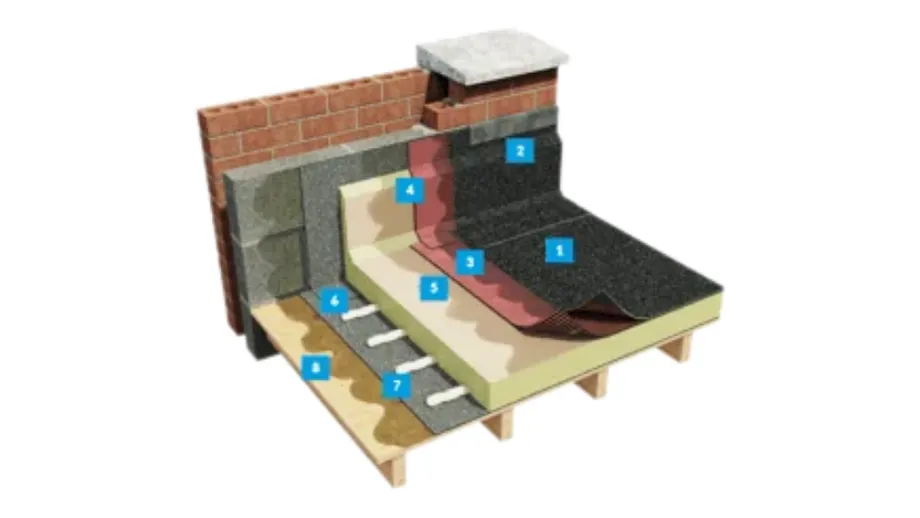
This makes the roofing system watertight and provides protection to the roof. Often finished with slates or mineral chippings/granules for UV protection and aesthetic effect. The system may require a specialist roofing adhesive or primer to help secure the system and improve adhesion.
When a qualified contractor has completed the work and it has been signed off through the various site visits and inspections a guarantee may be awarded and that project is often monitored by the manufacturer to ensure its maintenance and performance across the agreed lifespan of the system.
5 steps to completing your roof waterproofing project with confidence
These products are commonly chosen together to create a more complete flat roof build-up, especially on refurbishment and new-build projects where performance, compatibility, and long-term durability matter.
Consultation and Survey
The roof survey is an essential first step to a refurbished roof. It is essentially a health check for the roof comparing the existing system with the latest standards and practices to assure that it complies as well as checking the condition of the system for fixing failure or water ingress. A full report is written with photographic evidence and recommendations for next steps, if any.
Design and Specification
Based on the recommendations of the Survey (if refurb) or upon the desired outcomes of the designer if new build, a design and roofing specification will be created. This will specify the materials and outputs desired from the roof.
Installation and Roofing Contractor
A qualified contractor should then be employed to carry out the installation in accordance with the specification and other relevant standards and regulations.
Site Support and Project Monitoring
When installing a guaranteed roof system, manufacturers will send inspectors out at various stages of the installation to advise and check on the quality of the workmanship and adherence to the Specification
System Guarantee, Maintenance and Aftercare
When a qualified contractor has completed the work, and it has been signed off through the various site visits and inspections, a guarantee may be awarded, and that project is often monitored by the manufacturer to ensure its maintenance and performance across the agreed lifespan of the system.
NFRC Safe2Torch Checklist
NFRC Safe2Torch Checklist
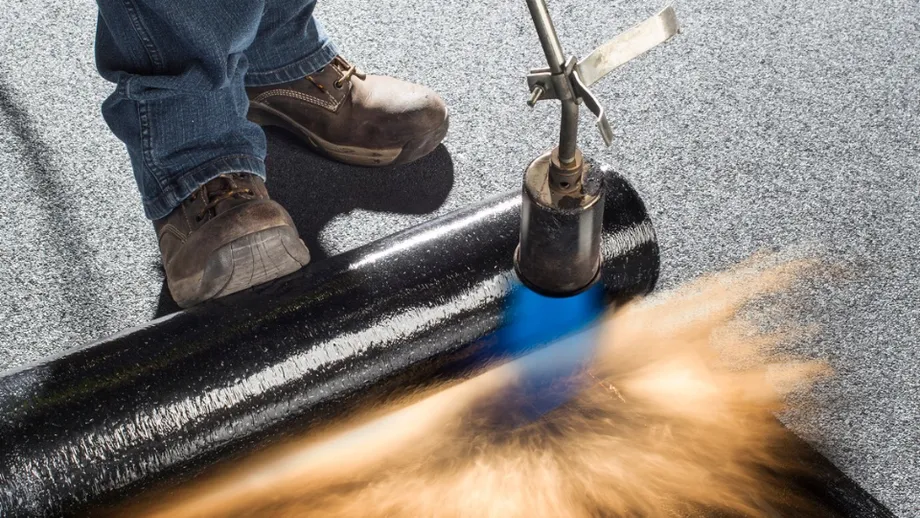
Before looking at different methods of waterproofing a flat roof with felt, it’s important to consult the NFRC Safe2Torch Checklist for any identified items, use of a direct torch-on application and use of a TorchSafe™ solution. Safe2Torch is a positive initiative which puts safety first at the design stage of newbuild and refurbishment projects.
The TorchSafe™ design and specification service reduces the risk of roof fires when using gas torches on roofs.
In general, there are a number of different solutions when deciding how to felt a flat roof.
- Torch-apply the bituminous membranes onto a primed substrate using a gas torch.
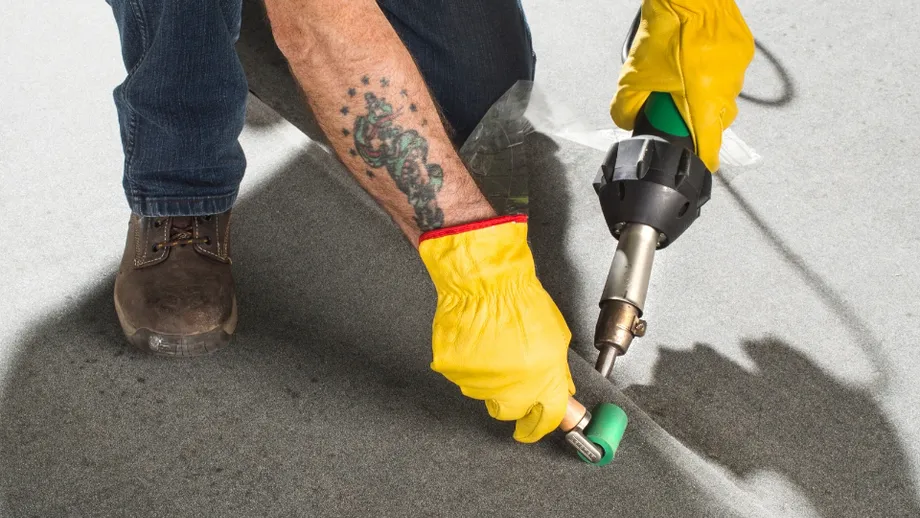
- Adhere thermally activated bitumen membranes using specialist adhesive and hot air-welding methods of application.
- Mechanically fix (mech-fix) the roofing system using specialist fixings and fasteners in combination with gas torch or hot air welding methods.