Our country pages


Europe
 Austria | Österreich
 Belgium | BelgiqueBelgium | België
 Bulgaria | България
 Croatia | Hrvatska
 Czechia | Česko
 Denmark | Danmark
 Estonia | Eesti
 Finland | Suomi
 France
 Germany | Deutschland
 Hungary | Magyarország
 Ireland | Éire
 Italy | Italia
 Latvia | Latvija
 Lithuania | Lietuva
 Netherlands | Nederland
 Norway | Norge
 Poland | Polska
 Portugal
 Romania | România
 Slovakia | Slovensko
 Slovenia | Slovenija
 Spain | España
 Sweden | Sverige
 Switzerland | SchweizSwitzerland | Suisse
 Turkey | Türkiye
 United Kingdom
Search
Order a sample
You can order up to 3 free sample tiles.
We'll aim to deliver your sample order within 5-7 working days from your order date.
Building Confidence with our Basic Course - 6 Essential Skills to kickstart your Journey!
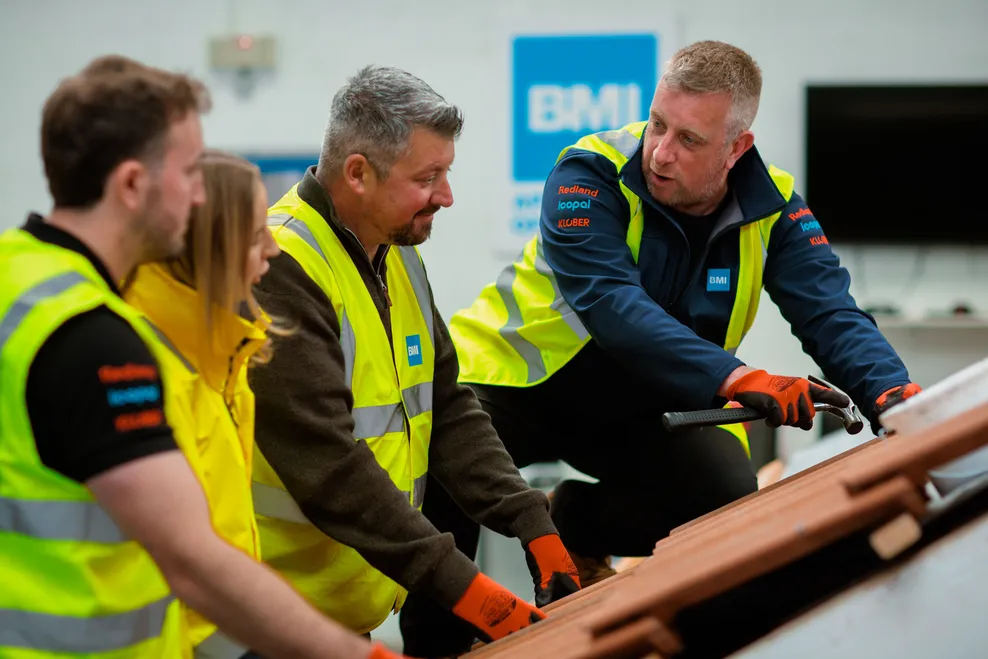
Stepping onto a building site or starting out in the construction industry can be daunting, that is why our BMI Basic Course is our most popular training offering. Its a great place to begin and grow your confidence as its designed with beginners to the industry in mind. The course covers all the essential concepts, knowledge, and techniques you need to build confidence and gain hands-on experience with flat and pitched roofing technologies.
Let’s give you a closer look at what you can expect; breaking down the top 6 things we cover in the BMI Basic Course. From key terminology to real-world examples, each section is designed to help you build a solid understanding and prepare you for more advanced training down the line.
If you're curious about what the course includes, or thinking about signing up; this is a great insight.
Jump to section
Day One: Pitched focused
Day One: Pitched focused
The Importance of Ventilation
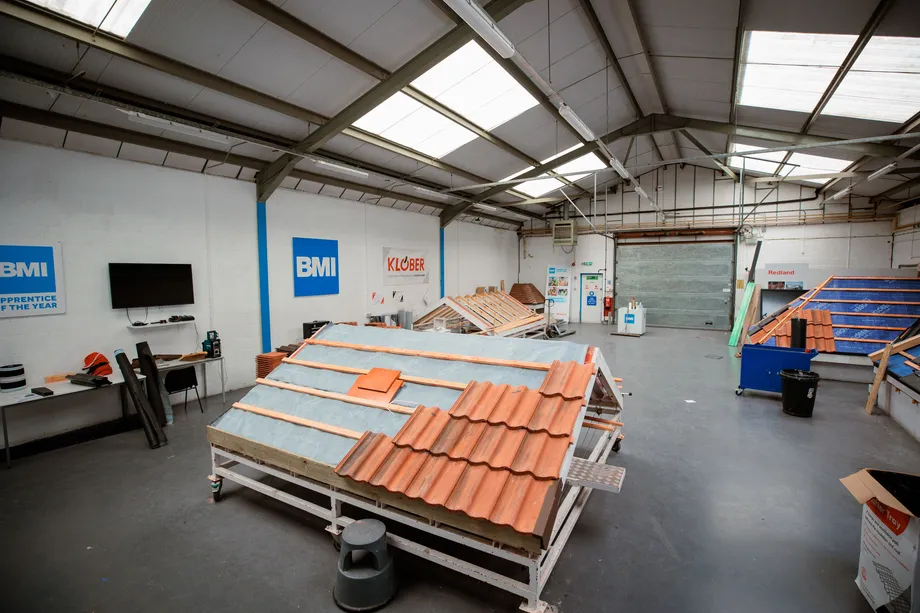
Nothing destroys a roof faster from the inside out than trapped moisture, that is why ventilation is one of the most crucial aspects of any roof design. In this section, we explore how proper airflow prevents condensation, reduces the risk of mould and timber decay, and helps prolong the life of roofing materials. We also look at how ventilation requirements vary depending on roof design, and how to identify common issues related to poor ventilation. This gives you a solid understanding of both the "why" and the "how" when it comes to keeping roofs breathable and building regulations compliant.
Key Industry Guidance – BS 5534
BS 5534 is the most relevant standard for anyone working with pitched roofs in the UK. During this part of the course, we walk you through key updates and requirements introduced in recent years, including mechanical fixing, underlay requirements, and wind load calculations. You’ll learn what’s changed, why it matters, and how to stay compliant.
Roofing Terminology Made Simple
Clear communication on-site starts with understanding the lingo! That’s why we break down essential pitched roofing terminology in a straightforward, practical way. From rafters and battens to valleys and verges, we explain the purpose and placement of each key component. By the end of this section, you'll feel more confident discussing roof build-ups, and communicating with your clients.
Day Two: Flat Focused
Day Two: Flat Focused
Flat Roof Basics
Flat roofing may look simple, but there’s a lot going on under the surface. Within this section, we will take a closer look at the fundamentals: what defines a flat roof, why a fall is essential for proper drainage, and how to identify and understand different roof build-ups. Including cold, warm, and inverted roofs. You’ll also learn where each system is typically used, and what their advantages and challenges are in real-world applications. It’s a great starting point for anyone working in or around flat roofing.
Bitumen Blends Explained
Bitumen remains a staple in flat roofing, but not all blends are the same. This section introduces you to the origins of bitumen, how it’s refined, and what makes it such a versatile waterproofing material. You’ll also explore the differences between APP (Atactic Polypropylene) and SBS (Styrene-Butadiene-Styrene) modified bitumens including their flexibility, temperature resistance, and best-use scenarios. Knowing which type of material is suitable for which environment is essential for quality installations. We will also touch on our Manchester plant that focuses on Bitumen.
Safe Torch Systems
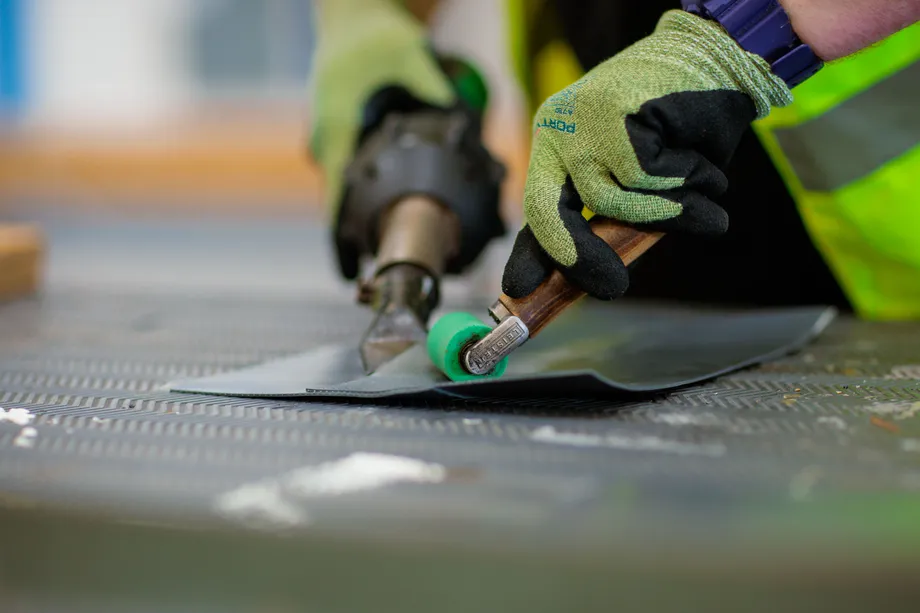
When using heat in roofing, safety must always come first. In this final section, we introduce the principles of safe torching, covering best practices to reduce fire risk during installation. You'll learn about the background of NFRC Safe2Torch guidelines, how they came about, and how they apply in everyday roofing jobs. The course outlines the practical steps you can take, from risk assessments to material choice, to keep both people and properties safe.
So there you have it, from pitched to flat, compliance to safety, these six areas form the essential toolkit for anyone starting out. Our Basic Course is designed to replace that uncertainty with hands-on capability and knowledge.
Ready to build your confidence? Find out more and book your spot on our next Basic Course today.