Our countries


Europe
 Austria | Österreich
 Belgium | BelgiqueBelgium | België
 Bulgaria | България
 Croatia | Hrvatska
 Czechia | Česko
 Denmark | Danmark
 Estonia | Eesti
 Finland | Suomi
 France
 Germany | Deutschland
 Hungary | Magyarország
 Ireland | Éire
 Italy | Italia
 Latvia | Latvija
 Lithuania | Lietuva
 Netherlands | Nederland
 Norway | Norge
 Poland | Polska
 Portugal
 Romania | România
 Slovakia | Slovensko
 Slovenia | Slovenija
 Spain | España
 Sweden | Sverige
 Switzerland | SchweizSwitzerland | Suisse
 Turkey | Türkiye
 United Kingdom
Search
BMI Malaysia Visits Badan Warisan Malaysia to Support Heritage Conservation
Share:
A Visit to Badan Warisan Malaysia for Heritage Conservation
Malaysia is home to many historic buildings that reflect the country’s culture, craftsmanship, and architectural identity. From traditional Malay houses to colonial-era structures, these buildings tell stories that continue to shape the nation today.
Recently, BMI Malaysia visited Badan Warisan Malaysia (BWM), one of the country’s leading heritage conservation organisations, to learn more about ongoing efforts in preserving Malaysia’s built heritage.
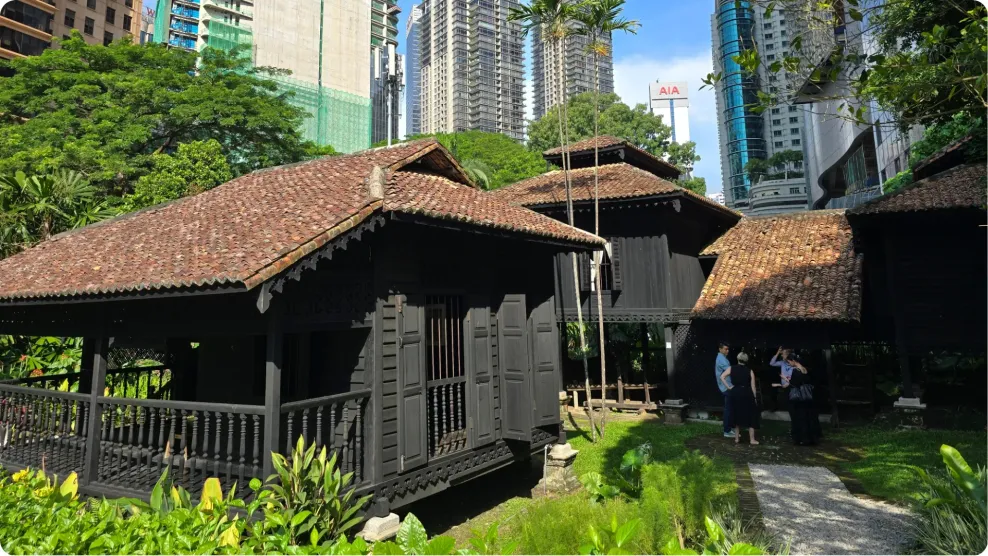
Located at No. 2 Jalan Stonor, Kuala Lumpur, the BWM Heritage Centre is itself a heritage landmark. Surrounded by modern developments, the site remains a reminder of Malaysia’s architectural past and the importance of protecting it for future generations.
Understanding the Importance of Heritage Conservation in Malaysia
Founded in 1983, Badan Warisan Malaysia has spent decades advocating for the preservation of historic buildings and cultural sites across the country.
Beyond conservation work, the organisation also promotes heritage education, public awareness, and collaborations with both government and private sectors to ensure that Malaysia’s architectural identity continues to be protected.
For us, the visit was an opportunity to better understand the challenges involved in maintaining heritage structures, especially when it comes to roofing systems that must withstand Malaysia’s tropical climate.
A Closer Look at Rumah Penghulu Abu Seman
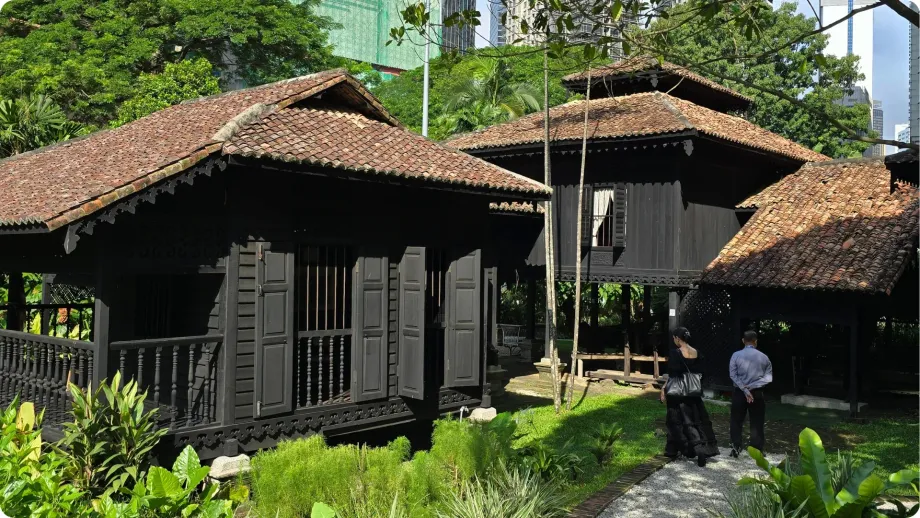
One of the highlights of the visit was the Rumah Penghulu Abu Seman, a traditional Malay house located within the BWM Heritage Centre grounds.
Rumah Penghulu Abu Seman is recognised as one of the finest preserved examples of traditional Malay architecture in Kuala Lumpur. Originally built in Kedah between the 1916s and early 1930s, the house was relocated and restored by Badan Warisan Malaysia in 1996.
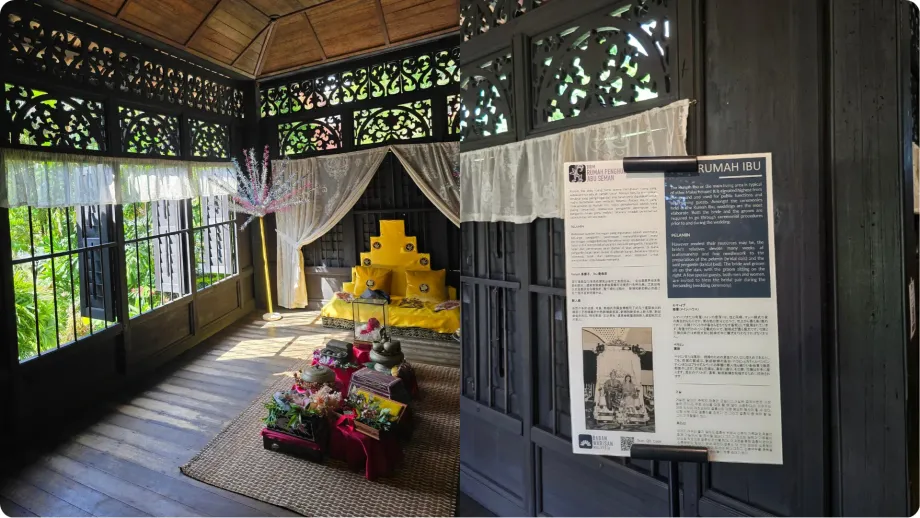
The house features intricate wood carvings, elevated timber floors, and a steep-pitched roof designed to respond naturally to Malaysia’s hot and humid weather conditions.
In 2024, the house received recognition for gazettement as a Heritage Object under Malaysia’s National Heritage Act 2005, highlighting its cultural and historical significance.
Why Roofing Plays an Important Role in Heritage Buildings
Roofing is one of the most important elements in preserving heritage structures. In tropical climates like Malaysia, roofs help protect buildings from heavy rainfall, humidity, and long-term structural damage.
A damaged or poorly maintained roof can lead to water intrusion, timber decay, and weakened building foundations. This is why roof restoration and maintenance are often among the first priorities in heritage conservation projects.
Traditional Malay architecture itself demonstrates how roofing design was carefully adapted to local environmental conditions. Features such as steep roof pitches, overhanging eaves, and natural ventilation systems were created to improve airflow and protect homes from tropical weather.
These principles align closely with the BMI Malaysia’s long-standing focus on durable and high-performance roofing solutions designed for Malaysian homes.
Monier’s Commitment to Long-Term Building Preservation
For decades, Monier has been known for roofing systems used across residential properties in Malaysia, from terrace houses to larger residential developments.
The visit to Badan Warisan Malaysia reflects Monier’s broader appreciation for sustainable building practices and long-term structural care. Heritage buildings require thoughtful maintenance, quality materials, and continuous preservation efforts to remain standing for future generations.
As conversations around heritage conservation continue to grow in Malaysia, collaborations and shared awareness between industry players and conservation organisations will play an increasingly important role in protecting the country’s architectural legacy.
Preserving Malaysia’s Architectural Identity for Future Generations
Heritage buildings are more than old structures. They represent history, craftsmanship, and the cultural identity of communities across Malaysia.
Through its visit to Badan Warisan Malaysia, BMI Malaysia hopes to continue supporting conversations around heritage preservation and the importance of maintaining buildings that have shaped the nation’s architectural landscape.
Protecting heritage buildings today means ensuring future generations can continue to experience and learn from Malaysia’s rich architectural history.