Our countries


Europe
 Austria | Österreich
 Belgium | BelgiqueBelgium | België
 Bulgaria | България
 Croatia | Hrvatska
 Czechia | Česko
 Denmark | Danmark
 Estonia | Eesti
 Finland | Suomi
 France
 Germany | Deutschland
 Hungary | Magyarország
 Ireland | Éire
 Italy | Italia
 Latvia | Latvija
 Lithuania | Lietuva
 Netherlands | Nederland
 Norway | Norge
 Poland | Polska
 Portugal
 Romania | România
 Slovakia | Slovensko
 Slovenia | Slovenija
 Spain | España
 Sweden | Sverige
 Switzerland | SchweizSwitzerland | Suisse
 Turkey | Türkiye
 United Kingdom
Search
Heritage by Design: Clay Tiles in Malaysia’s Architectural Legacy
Share:
Heritage by Design: Clay Tiles in Malaysia’s Architectural Legacy
Heritage in architecture is not simply about age. It is about the accumulated intention of generations. The decisions made about form, material, and meaning that survive long enough to actually define a place. When we talk about Malaysia's architectural heritage, we are really talking about buildings that have outlasted the circumstances of their creation and still manage to communicate something essential about who we are as a society.
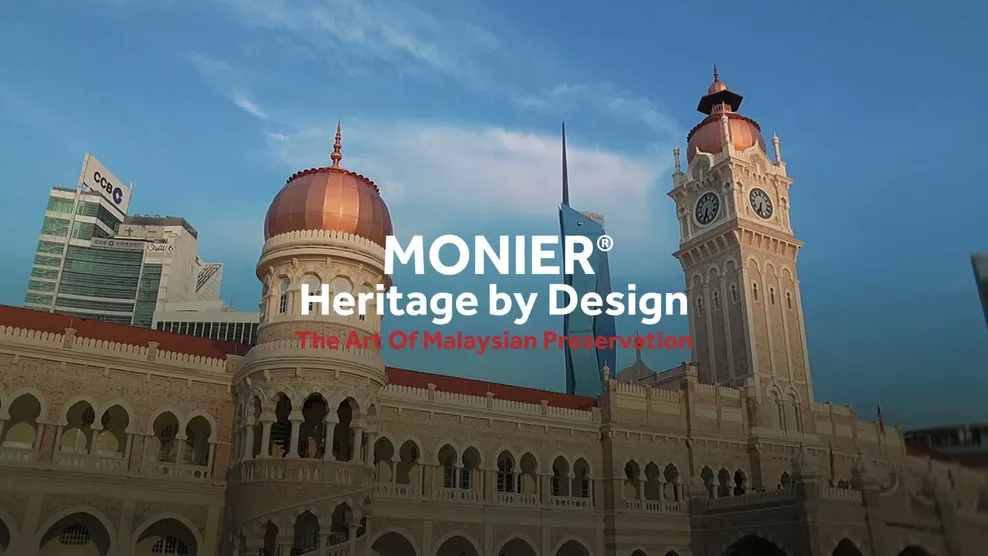
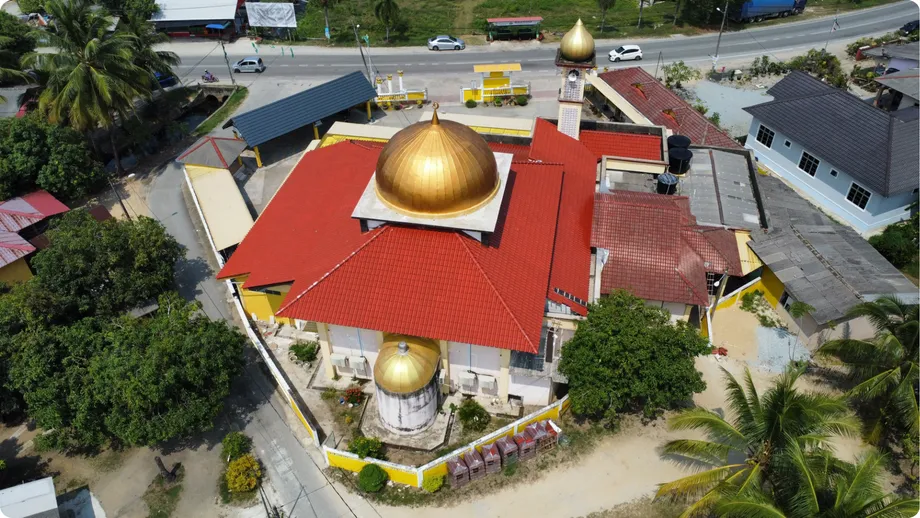
Think about the shophouses of Penang's George Town. The tiered mosques along the East Coast. The colonial civic buildings that anchor Kuala Lumpur's Dataran Merdeka, and the royal galleries of Kuala Kangsar. Each carries a distinct architectural character, and in almost every case, that character is expressed through the roof.
Heritage conservation specialists sometimes call the roof the "fifth facade." It is the face of a building most visible from the urban landscape, most expressive of its silhouette, and most exposed to the elements that both test and shape it over time. Get the roof wrong in a heritage context, and the integrity of the entire building suffers for it.
"Heritage is not about freezing a building in time. It is about ensuring that its most essential qualities, its material honesty, its architectural intention, its relationship to the landscape, are preserved as it continues to serve the present."
Clay Tiles: The Irreplaceable Language of the Malaysian Roofscape
Of all the materials used in Malaysia's built environment over the centuries, clay roof tiles hold a genuinely unique position. You find them on the oldest surviving structures across the Peninsula and Borneo. They are the specified material in conservation guidelines for Malaysia's UNESCO World Heritage Sites. That is not a coincidence.
The Science Behind the Soul
Clay tiles get their strength from high-temperature kiln firing. This process makes them dense, low-porosity, and genuinely durable in a way that is difficult to replicate with manufactured alternatives. The result is excellent resistance to water, UV exposure, and heat transfer. In Malaysia's tropical climate, where the roof is tested hard every single day, these are not minor advantages.
Colour That Deepens Over Time
What makes clay tiles particularly interesting is where their colour actually comes from. It is not a surface coating. It comes from the material itself. Natural weathering does not strip it away or cause it to peel. Instead, exposure to weather gradually deepens the tile's natural tones, creating an appearance that becomes richer and more authentic as the years pass. A clay-tiled roof at fifty years old often looks more compelling than it did when it was new.
The Profile as Architectural Identity
The shape and form of a clay tile does far more than most people realise. Different profiles create distinct visual rhythms across a roofline and determine the silhouette a building presents against the sky. In heritage conservation, choosing the correct tile profile is not a stylistic preference. It is a conservation obligation. The profile defines the building's character, and getting it wrong is visible from the street.
Buildings That Endure
Across Malaysia, some of the country's most culturally significant buildings carry MONIER clay tile roofs. Not because of historical accident, but because of deliberate conservation decisions that recognised clay as the only material capable of maintaining the authenticity these structures demand.
Heritage by Design
An exclusive gathering of architects, conservation specialists, and design professionals, convened to explore the enduring relevance of heritage clay roofing in contemporary Malaysian architecture.
The event brought together invited architects, conservation practitioners, JKR representatives, and industry professionals for an evening that moved between a product presentation, a walkthrough of an existing MONIER clay tile installation, and a networking dinner. The agenda was designed to let people experience heritage clay roofing rather than simply discuss it.
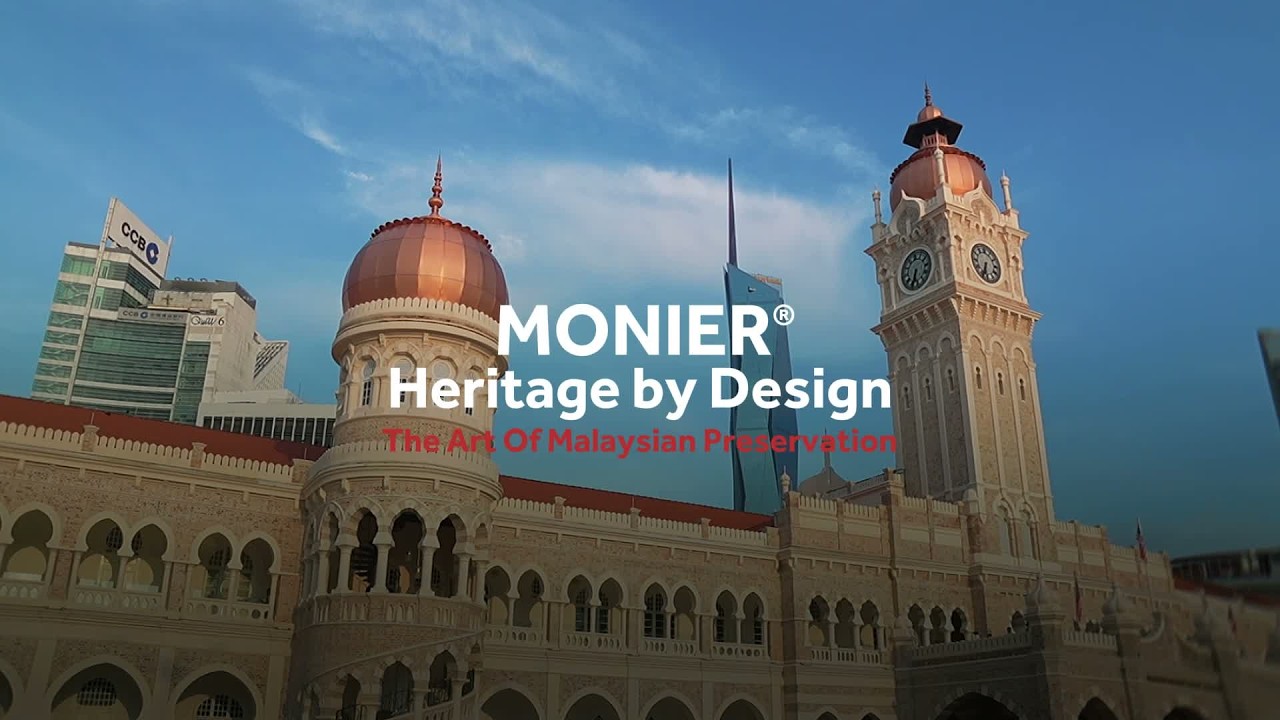
Some moments are better witnessed than described. Heritage by Design brought together Malaysia's leading architects in a shared reflection on what it actually means to preserve architectural identity. The conversations that filled the room were not abstract. They centred on honouring the past while genuinely responding to the demands of the present.
More than a single unveiling, the evening became a platform to celebrate how heritage continues to evolve. Balancing traditional aesthetics with modern construction demands, it reflected a collective commitment to safeguarding Malaysia's architectural legacy for the generations who will inherit it.
Introducing the Marselha MG Plus
At the heart of the Heritage by Design evening, MONIER unveiled a new addition to its heritage clay tile portfolio. The Marselha MG Plus carries the visual authority of the classic Marseille silhouette while being engineered to integrate with the practical realities of modern Malaysian construction.
It sits within MONIER's heritage clay tile tradition as a material solution for architects and building owners who need both things at once: the authentic character of a classic clay profile, and the performance credentials that contemporary projects demand.
Download The MONIER Heritage Brochure: Explore our portfolio of heritage tile profiles, project references, and technical spesifications for conservation applications.
| Title | Size | Actions | |
|---|---|---|---|
Heritage Clay Roofing Brochure | 70.63 MB |
This site is protected by reCAPTCHA and the Google Privacy Policy and Terms of Service apply.
A Living Tradition
Heritage conservation is sometimes framed as a defensive act, as though the goal is simply to protect old things from a world that has moved on. In practice, the buildings that matter most in Malaysia's architectural landscape are not preserved in amber. They are working structures that have been maintained, repaired, and in some cases reroofed multiple times. Each intervention extends their ability to continue serving the communities around them.
The choice of clay tiles in these interventions is not nostalgic. It is technically correct, materially appropriate, and architecturally honest. It is the choice that respects what a building was always meant to be, while giving it what it needs to endure for another generation.
MONIER's range of heritage clay tile profiles, from the S-Pantile to the Marsella Collado and the newly introduced Marselha MG Plus, represents the continuation of that tradition. Fired from natural clay. Engineered for Malaysia's climate. Backed by a manufacturer with decades of experience supporting the country's most significant conservation projects.