Our countries


Europe
 Austria | Österreich
 Belgium | BelgiqueBelgium | België
 Bulgaria | България
 Croatia | Hrvatska
 Czechia | Česko
 Denmark | Danmark
 Estonia | Eesti
 Finland | Suomi
 France
 Germany | Deutschland
 Hungary | Magyarország
 Ireland | Éire
 Italy | Italia
 Latvia | Latvija
 Lithuania | Lietuva
 Netherlands | Nederland
 Norway | Norge
 Poland | Polska
 Portugal
 Romania | România
 Slovakia | Slovensko
 Slovenia | Slovenija
 Spain | España
 Sweden | Sverige
 Switzerland | SchweizSwitzerland | Suisse
 Turkey | Türkiye
 United Kingdom
Search
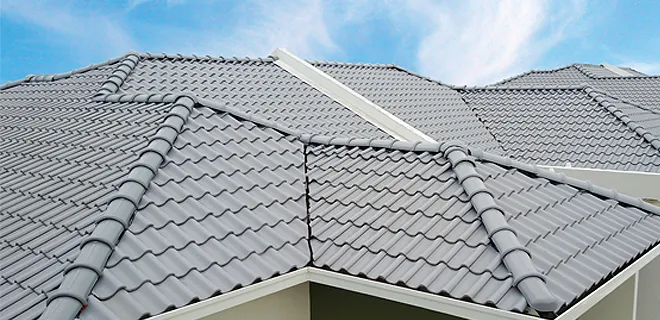
Clay Roof Tiles: Best Choice for Long-Lasting Roofs in Malaysia's Climate
Share:
Clay Roof Tiles: Best Choice for Long-Lasting Roofs in Malaysia's Climate | BMI
Clay roof tiles occupy a special place in Malaysia's architectural heritage and construction culture. From the traditional Malay kampung house to the colonial bungalows of Penang's heritage zones, clay tiles have provided reliable, beautiful roofing for generations. Today, they remain one of the most highly regarded roofing materials in the Malaysian market, prized not only for their aesthetics but for their genuinely outstanding durability and climate performance.
Why Clay Tiles Excel in Tropical Climates
Low Water Absorption
One of the defining technical characteristics of quality clay roof tiles is their low water absorption rate, typically achieved through high-temperature kiln firing that vitrifies the clay body, reducing its porosity. Low porosity means that clay tiles do not absorb and retain significant quantities of rainwater, which is a key mechanism of long-term degradation in many roofing materials. In Malaysia's constant high-humidity environment, this characteristic is particularly valuable.
UV and Colour Stability
Clay tiles derive their colour from the clay body itself and the firing process, not from a surface coating. This means that there is no coating to peel, fade, or chalk over time. The colour of a well-fired clay tile is stable over the full lifetime of the product, a characteristic that is increasingly valued as buildings age and material consistency becomes more important.
For homeowners concerned about the long-term aesthetic of their roof, clay tiles offer a significant advantage over coated concrete tiles or metal roofing materials whose surface finishes are susceptible to UV-induced degradation.
Natural Thermal Mass
Clay tiles possess natural thermal mass that moderates the transfer of solar heat through the roof assembly. The tile's mass absorbs heat during the day and releases it more slowly, reducing the peak heat transfer that occurs during the hottest part of the afternoon. Combined with the ventilated air gap that most tile profiles create, this helps maintain more comfortable conditions in the roof space and the rooms below.
Exceptional Longevity
The service life of quality clay roof tiles is genuinely exceptional. In Europe and Asia, there are documented examples of clay-tiled roofs that have been in continuous service for over a century. While the Malaysian climate is more aggressive than temperate European climates in some respects, it is also free of the freeze-thaw cycling that is one of the most destructive mechanisms for porous building materials. Well-manufactured clay tiles installed correctly on Malaysian roofs can reasonably be expected to perform for 50 years or more.
Applications: Where Clay Tiles Are Most Appropriate
Heritage and Conservation Areas
Many of Malaysia's heritage conservation areas particularly in Penang, Malacca, and Kuala Lumpur's heritage precincts, specify or strongly encourage the use of clay tiles to maintain the visual character of the built environment. Clay tiles are often the material of choice for sympathetic restoration work on listed or heritage buildings, as they can be matched to historical profiles and fired to achieve the colour tones of original materials.
Premium Residential Development
In the high-end residential segment, clay tiles are frequently specified as a quality differentiator, a signal of premium construction that is appreciated by discerning buyers who understand the long-term performance implications of material choice. Developers targeting the prestige market in Kuala Lumpur, Penang, and the Klang Valley increasingly specify clay tiles as part of a quality positioning strategy.
Commercial and Institutional Buildings
Hotels, resorts, educational institutions, and government buildings where architectural character and long-term durability are priorities regularly specify clay tiles. The material's association with quality and permanence makes it appropriate for buildings where the roof will be visible and where the building is intended to endure for many decades.
Installation Considerations for Clay Tiles
Clay tiles require the same fundamental installation principles as concrete tiles, correct pitch, adequate head lap, appropriate underlay, and purpose-made accessories at all junctions with the added consideration of structural assessment to ensure the roof framing can accommodate the tile weight. In new construction, this is straightforwardly addressed in structural design. In renovation projects, a structural engineer's assessment is advisable.
As with all roofing systems, the performance of clay tiles in service is critically dependent on the quality of the installation. Engaging certified, experienced installers who are familiar with the specific tile profile being used is essential to achieving the long service life that clay tiles are capable of delivering.
Conclusion
Clay roof tiles represent one of the most proven, durable, and aesthetically distinguished roofing choices available in the Malaysian market. For projects where long-term performance, colour stability, and authentic appearance are priorities, clay tiles consistently deliver value that justifies their investment. BMI Group Malaysia's MONIER® clay tile range brings together traditional material quality and modern manufacturing precision, supported by certified installation and comprehensive warranty coverage.